プロダクト

プロダクト

ワンストップSIPコミュニケーション製品-メーカー直販

すべての製品

タッチポイント

タッチポイント

世界的な豊富なケースを持つ業界をリードする特殊通信プロバイダーです。当社の防爆&SIPディスパッチシステムは、プロジェクトを支える信頼できるパートナーであり、実績のある成功を収めています。

閲覧を続ける

トランスポーテーション

公共の安全

エネルギー産業

リソース

リソース

ベストプラクティスを発見し、革新的なソリューションを探求し、Beckeコミュニティ全体のパートナーとネットワークを構築してください。

お問い合わせ
知識について
2026-02-04 16:08:48
QoSメカニズムによるSIPページング音声品質の向上
SIPベースのスピーカー電話システムは、DSCP優先度、トラフィックシェーピング、ジッタ制御、適応型コーデックなどのQoSメカニズムを使用して、高い音声品質を確保し、高ノイズ環境で信頼性の高い通信を実現します。

ベッケ・テルコム

QoSメカニズムによるSIPページング音声品質の向上

現代の通信システムにおいて、音声品質はデバイスの性能を評価するための最も重要な指標の1つになっています。この要件は、地下鉱山、港湾、刑務所、病院、大規模商業施設などの高騒音環境で展開されるスピーカー電話やページングアプリケーションにおいて特に厳格です。このようなシナリオでは、通信システムは理解可能性だけでなく、リアルタイムの応答性と高い信頼性を保証する必要があります。

セッション開始プロトコル(SIP)は、テキストベースのアプリケーション層シグナリングプロトコルであり、そのシンプルさ、柔軟性、拡張性により、現代のページングおよびスピーカー電話システムのコアプロトコルとなっています。ただし、SIP自体は音声品質の問題に直接対処していません。代わりに、SIPをサービス品質(QoS)メカニズムと統合することにより、安定した高品質の音声伝送が実現されます。

この記事では、SIPベースの拡声器電話システムにおけるQoSの実装方法、関連する主要技術、および厳しいネットワークおよび環境条件下で音声品質を確保する上での決定的な役割について、詳細な分析を提供します。例:
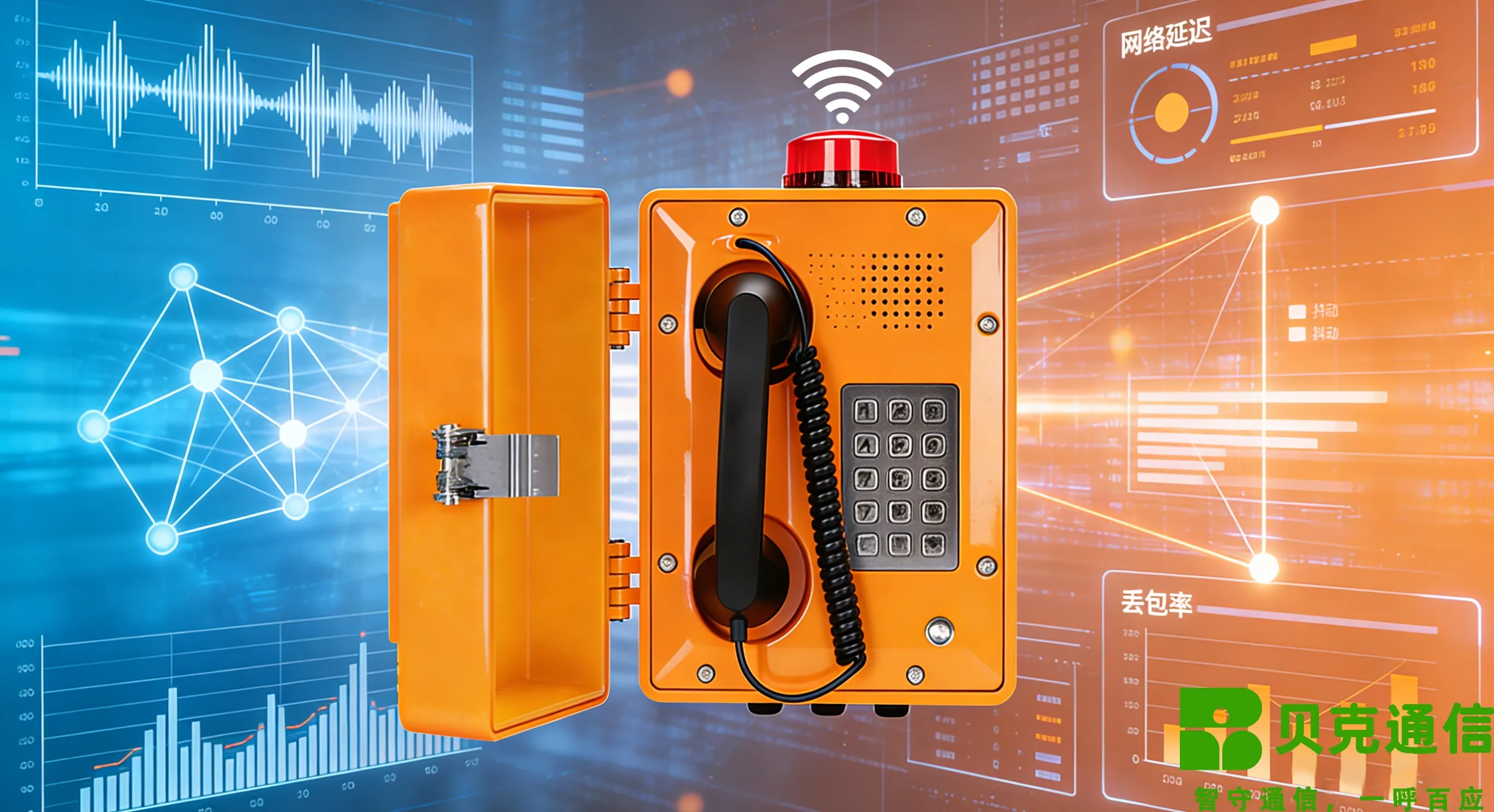
Becke EX-BT27

The key to ensuring the quality of voice transmission in SIP amplified telephones lies in the QoS mechanism.


1. SIPスピーカー電話システムの動作原理

SIPスピーカー電話システムは、電話と放送機能を統合した専門の通信機器です。ノイズに強いオーディオ処理技術と高出力スピーカーを組み合わせることで、このようなシステムは、高ノイズ環境でのリモートディスパッチ、ページング、およびインターコム通信を可能にします。

システムアーキテクチャは通常、SIPユーザーエージェント(UA)、SIPレジストラサーバー、SIPプロキシサーバー、およびSIPリダイレクトサーバーの4つのコアコンポーネントで構成されています。これらのコンポーネントは、Session Description Protocol(SDP)情報を含むSIPシグナリングメッセージを介して協力し、通信セッションを確立および管理します。

1.1端末の登録

端末登録はシステム操作の最初のステップです。電源を入れた後、各SIP端末はSIPサーバーにREGISTERリクエストを送信します。サーバーがデバイスを認証すると、200 OKメッセージで応答し、登録過程が完了します。その後、端末はオンラインとしてマークされ、通話またはブロードキャストセッションを受信する準備ができます。

1.2セッションの開始

ページングまたはインターコムセッションが開始されると、ユーザーまたは管理プラットフォームは、サポートされているコーデックやRTPポートなどのメディアネゴシエーションパラメータとともに、ターゲット端末リストまたはグループ識別子を含むINVITEリクエストを送信します。メディア能力ネゴシエーションは、S DP交換を介して実行され、互換性のあるオーディオコーデックと伝送パラメータが決定されます。

1.3セッションの設立とメディアの伝達

ターゲット端末は180回のリンギングまたは200回のOKメッセージで応答します。応答が収集されると、サーバーはセッションの確立を確認します。その後、呼び出し元とすべてのターゲット端末の間にRTPメディアチャネルが作成されます。

放送シナリオでは、サーバーまたはメディアゲートウェイがオーディオストリームを複製し、すべての加入端末に配信します。インターコムシナリオでは、双方向RTPストリームが確立され、全二重通信が可能になります。

オーディオはエンコードされ、RTPパケットにパケット化され、UDP/IPを介して送信されます。端末はRTPストリームをデコードし、高出力スピーカーを介してオーディオを出力します。セッションが終了すると、リソースを解放するためにBYEメッセージが送信されます。


2.コアQoSメトリクスとその音声品質への影響

SIPスピーカー電話システムにおけるQoSは、主に帯域幅、レイテンシ、ジッター、パケットロス率の4つの主要な指標に基づいて評価および最適化されます。

2.1バンド幅

帯域幅は、通常kbpsで測定されるネットワークリンクの最大データ伝送レートを定義します。たとえば、G.711オーディオエンコーディングには、ストリームあたり約80 kbpsが必要です。放送シナリオでは、複数の端末が同じオーディオストリームを受信するため、帯域幅の需要が大幅に増加します。

これに対処するために、マルチキャスト帯域幅割り当てとDSCPベースの優先度マーキングが一般的に使用され、マルチキャスト音声トラフィックがユニキャストデータフローと競合するのを防止します。

2.2レイテンシ

レイテンシーとは、送信者から受信者までのエンドツーエンドの遅延を指します。適切な音声通信のためには、レイテンシーを150ミリ秒以下に保つ必要があります。過度の遅延は、会話の同期解除とエコー知覚につながります。

複雑なルーティング環境、例えば地下鉱山では、レイテンシは200ミリ秒に近づくことがあります。SIPシグナリング圧縮(例: Sig Comp)やDSCP Expedited Forwarding(EF)マーキングなどの技術を使用して、処理や伝送遅延を最小限に抑えます。

2.3ジッタ

ジッターはパケット到着時間の変動を表します。SIPスピーカーシステムでは、ジッターは通常30 ms以下にとどまる必要があります。過度のジッターは、特に同期されたマルチターミナル放送でオーディオのドロップアウトや再生の不連続性を引き起こします。

動的ジッタバッファアルゴリズムは一般的に適用され、バッファサイズは測定されたジッタ変動の少なくとも2倍に設定されます。

2.4パケットロス

パケット損失率とは、送信中に失われたパケットの割合です。SIPスピーカーシステムでは、一般的にパケット損失率が0.5%以下である必要があります。損失率が高いほど、オーディオの歪み、コマンドの損失、信頼性の低下が生じます。

スーパーエラーコレクション(SEC)やインテリジェントレートコントロール(IRC)などの高度なエラー訂正メカニズムにより、最大3%のパケットロス率でも許容可能な音声品質を実現できます。


3. QoS実装のための主要技術

3.1優先度コントロール

優先度制御は、DSCPマーキングとPer-Hop Be havior(PHB)マッピングによって実現されます。DSCPは、IPヘッダーの6ビットを使用してトラフィックの優先度を分類します。

SIPスピーカーシステムでは:

  • 音声RTPストリームは通常、EF(DSCP 46)としてマークされます

  • SIPシグナリングストリームはAF 4(DSCP 34-3 8)としてマークされています

これにより、ネットワークの混雑時に音声トラフィックが優先的に転送されることが保証されます。

トラフィックシェーピングとレートコントロール

トークンバケットシェーピングなどのトラフィックシェーピング技術は、バーストトラフィックがネットワークを圧倒するのを防ぎます。トラフィックが割り当てられた帯域幅を超えると、余分なパケットはドロップされるのではなくバッファリングされます。

SECとIRCの技術は、耐久性をさらに向上させます。IRCは、リアルタイムのネットワーク状況に基づいてオーディオビットレートを動的に調整し、混雑時に伝送レートを低下させ、帯域幅が利用可能になると増加させます。

ハードウェアレベルのQoS調整

ほとんどのSIPスピーカー電話はARM+DSPアーキテクチャを採用しています。ARMプロセッサはSIPシグナリングを処理し、DSPはオーディオのエンコードとデコードを管理します。高効率のクラスDパワーアンプは大音量出力を提供します。

例えば、マイニングスピーカーシステムでは、シャットダウン制御ピンを備えたクラスDアンプを使用して、低消費電力モードを有効にすることができます。パケットロスが検出されると、システムはアンプ出力を動的に減らし、帯域幅を再割り当てして、音声の明瞭さとシステムの安定性を維持することができます。


4. QoS実装ワークフロー

QoSの実装には3つの段階があります。

  1. セッションの確立:
    QoSネゴシエーションは、INVITEと183レスポンスのSDPを介して実行されます。メディアパラメータとQoS要件は、S DPオファー/アンサーメカニズムを使用して合意されます。

  2. データ伝送:
    RTPパケットはDSCP値でマークされ、ネットワークデバイスはそれに応じて優先度スケジューリングを適用します。ハードウェアの調整により、劣化したネットワーク条件下でも適応型オーディオ出力が保証されます。

  3. セッション終了:
    BYEメッセージはリソース解放とQoS解放をトリガーします。


5.現実世界での応用事例

鉱業の産業

マイニングページングシステムは、深刻な干渉にもかかわらず、レイテンシを200ミリ秒以下、パケットロスを0.5%以下に維持し、信頼性の高いディスパッチ通信を確保します。

刑務所システム

刑務所の通信システムは、DSCP EFマーキングとSECおよびIRC技術を組み合わせることで、99.98%の可用性と0.3%未満のパケットロスを実現しています。

ヘルスケア施設

病院のSIPスピーカーシステムは、パケットロスが1%を超えるとコーデックを動的に切り替え、緊急通信のエンドツーエンドのレイテンシを150ミリ秒以下に維持します。

商業コンプレックス

緊急ページングシステムは、30秒以内にフルエリアアラートを可能にし、72時間のバックアップ電源操作をサポートし、災害時に中断のない通信を確保します。


6.ベストプラクティスと構成の推奨事項

  • アクセスネットワークではInt Serv、コアネットワークではDiff Servを採用し、階層的なQoSを採用してください

  • パケットロスが1%以上の場合、動的コーデック切り替えを有効にします(例: G.711からG.729)

  • 音声にはDSCP EFを、信号にはAF 4を適用してください。

  • トラフィックシェーピングとバースト制御を実装する

  • QoSとハードウェア電源管理を統合する

  • SIPシグナリングにはTLSを使用し、メディア保護にはSRTPを使用してください

  • リアルタイムモニタリングと自動QoS最適化を展開する


7.今後の発展動向

5 G、AI、エッジコンピューティングの統合により、SIPスピーカーのQoSがさらに向上します。ネットワークスライシング、AIベースの混雑予測、エッジベースのメディア処理により、よりインテリジェントで適応性があり、エネルギー効率の高い音声品質保証システムが可能になります。


8.結論として

QoSメカニズムは、SIPベースのスピーカー電話システムにおいて音声品質を確保するために基本的な役割を果たしています。優先制御、トラフィックシェーピング、ハードウェア調整を通じて、これらのシステムは高騒音かつミッションクリティカルな環境で信頼性の高い通信を提供します。技術が進化するにつれて、QoSは静的なトラフィック管理から、知的で自己適応型の音声品質保証フレームワークに移行するでしょう。


ラベル:


Becke Telcomは、鉄道、トンネル、石油・ガス、海洋セクター向けの産業用防爆通信に特化しており、PA、インターホン、通話を統合したPAGA、SOS、IP電話を提供しています。


Copyright©2012-202 Becke Telcomすべての権利を保有します。

メッセージを残してください

何かご提案やご質問がございましたら、お気軽にお問い合わせください!

We use cookie to improve your online experience. By continuing to browse this website, you agree to our use of cookie.

Cookies

Please read our Terms and Conditions and this Policy before accessing or using our Services. If you cannot agree with this Policy or the Terms and Conditions, please do not access or use our Services. If you are located in a jurisdiction outside the European Economic Area, by using our Services, you accept the Terms and Conditions and accept our privacy practices described in this Policy.
We may modify this Policy at any time, without prior notice, and changes may apply to any Personal Information we already hold about you, as well as any new Personal Information collected after the Policy is modified. If we make changes, we will notify you by revising the date at the top of this Policy. We will provide you with advanced notice if we make any material changes to how we collect, use or disclose your Personal Information that impact your rights under this Policy. If you are located in a jurisdiction other than the European Economic Area, the United Kingdom or Switzerland (collectively “European Countries”), your continued access or use of our Services after receiving the notice of changes, constitutes your acknowledgement that you accept the updated Policy. In addition, we may provide you with real time disclosures or additional information about the Personal Information handling practices of specific parts of our Services. Such notices may supplement this Policy or provide you with additional choices about how we process your Personal Information.


Cookies

Cookies are small text files stored on your device when you access most Websites on the internet or open certain emails. Among other things, Cookies allow a Website to recognize your device and remember if you've been to the Website before. Examples of information collected by Cookies include your browser type and the address of the Website from which you arrived at our Website as well as IP address and clickstream behavior (that is the pages you view and the links you click).We use the term cookie to refer to Cookies and technologies that perform a similar function to Cookies (e.g., tags, pixels, web beacons, etc.). Cookies can be read by the originating Website on each subsequent visit and by any other Website that recognizes the cookie. The Website uses Cookies in order to make the Website easier to use, to support a better user experience, including the provision of information and functionality to you, as well as to provide us with information about how the Website is used so that we can make sure it is as up to date, relevant, and error free as we can. Cookies on the Website We use Cookies to personalize your experience when you visit the Site, uniquely identify your computer for security purposes, and enable us and our third-party service providers to serve ads on our behalf across the internet.

We classify Cookies in the following categories:
 ●  Strictly Necessary Cookies
 ●  Performance Cookies
 ●  Functional Cookies
 ●  Targeting Cookies


Cookie List
A cookie is a small piece of data (text file) that a website – when visited by a user – asks your browser to store on your device in order to remember information about you, such as your language preference or login information. Those cookies are set by us and called first-party cookies. We also use third-party cookies – which are cookies from a domain different than the domain of the website you are visiting – for our advertising and marketing efforts. More specifically, we use cookies and other tracking technologies for the following purposes:

Strictly Necessary Cookies
These cookies are necessary for the website to function and cannot be switched off in our systems. They are usually only set in response to actions made by you which amount to a request for services, such as setting your privacy preferences, logging in or filling in forms. You can set your browser to block or alert you about these cookies, but some parts of the site will not then work. These cookies do not store any personally identifiable information.

Functional Cookies
These cookies enable the website to provide enhanced functionality and personalisation. They may be set by us or by third party providers whose services we have added to our pages. If you do not allow these cookies then some or all of these services may not function properly.

Performance Cookies
These cookies allow us to count visits and traffic sources so we can measure and improve the performance of our site. They help us to know which pages are the most and least popular and see how visitors move around the site. All information these cookies collect is aggregated and therefore anonymous. If you do not allow these cookies we will not know when you have visited our site, and will not be able to monitor its performance.

Targeting Cookies
These cookies may be set through our site by our advertising partners. They may be used by those companies to build a profile of your interests and show you relevant adverts on other sites. They do not store directly personal information, but are based on uniquely identifying your browser and internet device. If you do not allow these cookies, you will experience less targeted advertising.

How To Turn Off Cookies
You can choose to restrict or block Cookies through your browser settings at any time. Please note that certain Cookies may be set as soon as you visit the Website, but you can remove them using your browser settings. However, please be aware that restricting or blocking Cookies set on the Website may impact the functionality or performance of the Website or prevent you from using certain services provided through the Website. It will also affect our ability to update the Website to cater for user preferences and improve performance. Cookies within Mobile Applications

We only use Strictly Necessary Cookies on our mobile applications. These Cookies are critical to the functionality of our applications, so if you block or delete these Cookies you may not be able to use the application. These Cookies are not shared with any other application on your mobile device. We never use the Cookies from the mobile application to store personal information about you.

If you have questions or concerns regarding any information in this Privacy Policy, please contact us by email at . You can also contact us via our customer service at our Site.