プロダクト

プロダクト

ワンストップSIPコミュニケーション製品-メーカー直販

すべての製品

タッチポイント

タッチポイント

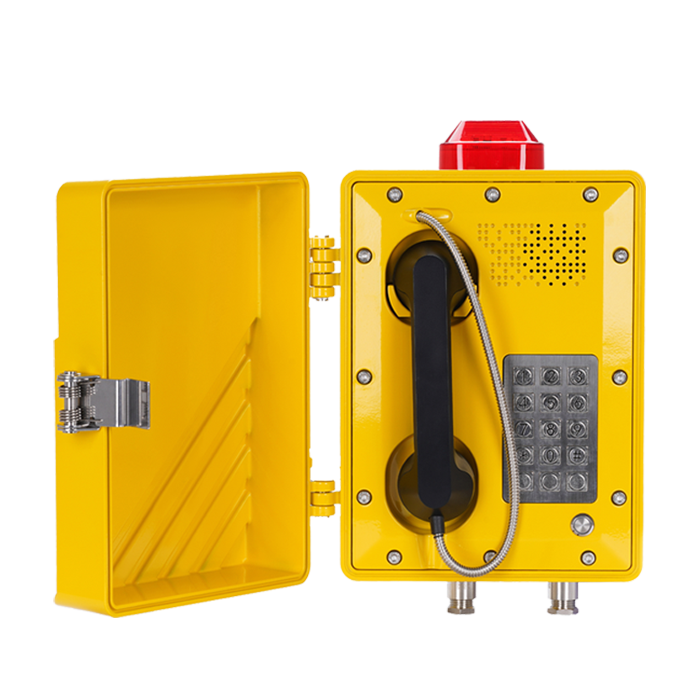
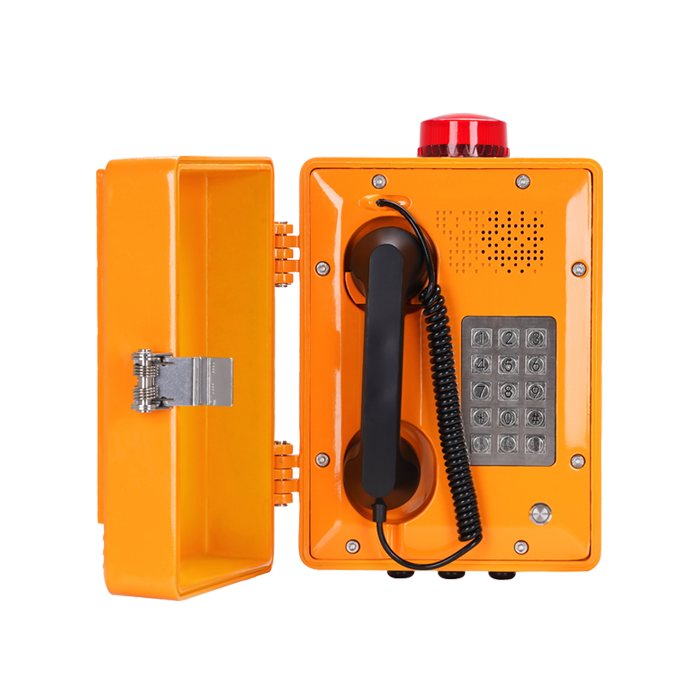
世界的な豊富なケースを持つ業界をリードする特殊通信プロバイダーです。当社の防爆&SIPディスパッチシステムは、プロジェクトを支える信頼できるパートナーであり、実績のある成功を収めています。

閲覧を続ける

トランスポーテーション

公共の安全

エネルギー産業

リソース

リソース

ベストプラクティスを発見し、革新的なソリューションを探求し、Beckeコミュニティ全体のパートナーとネットワークを構築してください。

お問い合わせ
知識について
2026-01-25 19:48:27
防爆ページングシステムのネットワークセキュリティ
防爆ページングコールステーションが、暗号化、コンプライアンス、ベストプラクティスを通じて、危険な産業環境でネットワークセキュリティとデータ保護を確保する方法を学びましょう。

ベッケ・テルコム

防爆ページングシステムのネットワークセキュリティ

防爆拡声呼出ステーションは、炭鉱、石油化学プラント、危険な製造施設などの高リスク産業環境における重要な通信デバイスです。これらの爆発性・可燃性のある場所では、通信設備は信頼性の高い音声伝送を確保するだけでなく、ますます高度化するサイバー脅威に抵抗しながら、防爆安全基準に厳密に準拠しなければなりません。
Explosion-Proof Public Address System

インダストリー4.0の到来により、防爆拡声呼出ステーションは、単純な音声端末からデータ収集、送信、処理が可能なインテリジェント産業エンドポイントへと進化しました。その結果、ネットワークセキュリティとデータ保護メカニズムは、運用安全情報セキュリティの両方を確保するために不可欠となっています。本記事では、防爆拡声呼出ステーションの独自のセキュリティ課題、脅威、保護技術、コンプライアンス要件、ベストプラクティスについて詳細な分析を提供します。

1. 防爆拡声呼出ステーションの独自のネットワークセキュリティ要件

防爆拡声呼出ステーションのネットワークセキュリティ要件は、従来の通信デバイスとは大きく異なります。これらの違いは主に3つの側面に反映されています:防爆制約、産業通信プロトコルのセキュリティ、過酷な環境適応性

1.1 防爆安全制約

防爆拡声呼出ステーションは、GB 3836シリーズなどの厳格な基準に準拠しなければなりません。GB 3836.1-2017 – 爆発性雰囲気、第1部:一般要件によれば、通常運転時および故障状態で機器が発生するエネルギーは、可燃性物質の最小着火エネルギー以下でなければならず、通常6W以下に制限されます。
このエネルギー制限は、ネットワークセキュリティ設計に独自の課題を提起します。従来の暗号化アルゴリズムとセキュリティプロトコルは、しばしばかなりの計算リソースを必要とし、過剰な熱または電気エネルギーを発生させる可能性があります。したがって、防爆拡声呼出ステーションのネットワークセキュリティメカニズムは、防爆エネルギー閾値内に留まりながら、安全なデータ暗号化と保存を実現しなければなりません。

1.2 産業通信プロトコルのセキュリティ制限

防爆拡声呼出ステーションは、一般にModbusHARTなどの産業プロトコルを利用しており、これらは本来、サイバーセキュリティではなく機能性と効率性のために設計されました。

  • Modbusには、組み込みの認証、認可、暗号化メカニズムが欠けています。ファンクションコードの誤用は、サービス拒否(DoS)攻撃につながる可能性があります。
  • HARTは、周波数偏移変調(FSK)を使用していますが、中間者攻撃やデータ改ざんに対して脆弱です。

これらの弱点に対処するため、防爆拡声呼出ステーションは、暗号化レイヤー、本人認証、アクセス制御メカニズムを含むプロトコル固有のセキュリティ強化を実装する必要があります。

1.3 過酷な産業環境への適応

防爆拡声呼出ステーションは、高温・低温、湿度、粉塵、強い電磁干渉(EMI)を含む過酷な条件下で動作します。業界標準では通常、動作温度範囲-40℃~+75℃、保護等級IP67以上が要求されます。
これらの過酷な環境要因は、ネットワークセキュリティメカニズムの信頼性と安定性に直接影響し、システム設計における環境耐性を重要な考慮事項としています。

2. 防爆拡声呼出ステーションが直面するネットワークセキュリティ脅威

防爆拡声呼出ステーションは、外部攻撃、内部脆弱性、人的要因に起因する複数のサイバーセキュリティ脅威に直面しています。これらの脅威のいずれかが、生産事故やデータ漏洩につながる可能性があります。

2.1 外部脅威

プロトコル脆弱性の悪用
攻撃者は、Modbusの暗号化と認証の欠如を悪用して、制御コマンドを傍受または改ざんする可能性があります。例えば、呼出制御信号の改ざんは、未承認の起動やシャットダウンを引き起こし、運用安全に直接影響を与える可能性があります。
サプライチェーン攻撃
防爆設備の調達・輸送段階が攻撃ベクトルとなる可能性があります。過去の事例では、ロジスティクス中に悪意のあるハードウェアやコードが埋め込まれ、後で遠隔起動されたことが示されています。
物理的および電磁的攻撃
インバータなどの地下電磁干渉源は、通信を妨害する可能性があります。研究によると、2.72MHzで最大97.50dBµVの干渉ピークがあり、標準通信デバイスの許容範囲を大幅に超えています。

2.2 内部脆弱性

操作ミス
作業員のセキュリティ意識の欠如は、権限設定の誤りや資格情報の漏洩につながり、重要なシステムへの未承認アクセスを許す可能性があります。
脆弱性パッチ適用の遅延
産業用制御システムは、通常、脆弱性パッチ適用サイクルの平均が120日であり、ITシステムよりも大幅に長くなっています。この遅延は、既知の脆弱性に対する攻撃可能期間を長くします。

2.3 人的要因による脅威

悪意のある内部関係者の行為
不満を持つ従業員や請負業者は、バックドアのインストールや通話記録の抽出により、意図的にシステムを破壊したり、機密通信データを漏洩させたりする可能性があります。
過失と保守ミス
不適切なシーリングなどの不適切な保守は、防爆完全性を損ない、粉塵や湿気の侵入を許すことで、ネットワークセキュリティを間接的に弱める可能性があります。

3. 防爆拡声呼出ステーションのデータ保護技術

これらの課題に対処するため、3層のデータ保護アーキテクチャが推奨されます:ハードウェアレベルのセキュリティ、通信レイヤーの保護、アプリケーションレイヤーのアクセス制御

3.1 ハードウェアレベルのセキュリティ保護

ハードウェアセキュリティは、防爆拡声呼出ステーションのサイバーセキュリティの基盤です。FPGAベースのハードウェア暗号化モジュールは、SM4AES-256などのアルゴリズムを効率的に実装できます。
主な利点は次のとおりです:

  •         低消費電力での高速並列暗号化
  •         ソフトウェア攻撃からの暗号鍵の物理的分離
  •         異常な温度、電圧、振動によってトリガーされる鍵の自動破棄

実際のアプリケーションでは、FPGAベースのSM4暗号化モジュールは、消費電力3.5Wで動作しながら、1Gbpsの暗号化スループットを達成でき、防爆要件とリアルタイム通信要件の両方を満たします。

3.2 通信レイヤーのセキュリティ強化

産業プロトコルには、通信レイヤーでのセキュリティ強化が必要です:

  • Modbusセキュリティ強化:チャレンジレスポンス認証とSM4またはAES暗号化の組み合わせ。
  • HARTセキュリティ拡張:FSK変調の上に暗号化レイヤーを追加して、データの機密性と完全性を確保。

TVS保護、コモンモードチョーク、光結合器による絶縁などの電磁両立性(EMC)対策も重要です。GB/T 17626.3GB/T 17626.5などの規格への準拠は、強いEMI条件下での安定した動作を保証します。

3.3 アプリケーションレイヤーのアクセス制御

3段階のアクセス制御メカニズムが推奨されます:

  1. 防爆筐体と密閉インターフェースを用いた物理的アクセス制御
  2. ハードウェアセキュリティモジュール(HSM)で管理されるシステムレベル認証
  3. すべての操作を記録・分析するアプリケーションレベル監査ログ

安全結合器を介した暗号化パッチ送信による安全なリモートアップデートがサポートされており、アップグレードが着火エネルギーを発生しないことを保証します。

4. ネットワークセキュリティ認証とコンプライアンス要件

防爆拡声呼出ステーションは、防爆認証ネットワークセキュリティコンプライアンスの両方の要件を満たさなければなりません。

4.1 機器保護レベル(EPL)認証

GB/T 3836.18-2024によれば、機器は危険区域分類に基づいて適切なEPLレベル(例:EPL Ma、Ga、Da)と一致しなければなりません。これらの要件は、消費電力や干渉耐性などのセキュリティ設計パラメータに直接影響を与えます。

4.2 サイバーセキュリティコンプライアンス

AQ 6201-2019などの規格は、電磁耐性試験とネットワークセキュリティ検証を要求しています。さらに、データ保護規制への準拠は、通信記録の暗号化保存・送信、および包括的なセキュリティ監査機能を義務付けています。

4.3 防爆とサイバーセキュリティの協調認証

セキュリティ機能は、防爆性能を損なってはなりません。暗号化モジュールは電力制限内に留まり、通信インターフェースは地下の電磁条件に耐えなければならず、慎重にバランスの取れた設計アプローチが必要です。

5. ネットワークセキュリティのベストプラクティス

防爆拡声呼出ステーションのセキュリティに関するベストプラクティスは以下の通りです:

  • 鍵管理と改ざん防止のためのハードウェアセキュリティモジュール(HSM)の統合
  • 暗号化されたModbus/TCP実装を含む安全な産業プロトコルの強化
  • 柔軟なアップグレードとカスタマイズを可能にするモジュール式セキュリティ設計
  • 未承認アクセスを防止する3層セキュリティアーキテクチャ
  • 暗号化・分割ファームウェア配信とホットスタンバイ冗長性を備えたリモート安全アップデートメカニズム

6. 実世界のアプリケーションと価値分析

6.1 インテリジェント採掘アプリケーション

    先進的な採掘プロジェクトでは、FPGAベースの暗号化と5G-A通信を組み合わせることで、安全な遠隔制御とリアルタイム監視が可能になります。厳格な防爆安全性を維持しながら、生産効率が60%以上向上しました。

6.2 雷保護とシステム信頼性

    近代化された通信用雷保護システムは、機器故障率を90%削減し、地下通信の途切れない稼働を保証しました。

6.3 AI駆動型セキュリティ強化

    AIベースの異常検知システムは、異常なトラフィックパターンやプロトコルの悪用をリアルタイムで識別し、中間者攻撃や未承認アクセスを効果的に防止できます。

次元

従来システム

現代的安全システム

改善

                    セキュリティ

                    防爆のみ

                    3層保護

                    リスク ↓ 90%

                    安定性

                    EMIに敏感

                    暗号化通信 + EMC設計

                    故障率 ↓ 70%

                    信頼性

                    手動メンテナンス

                    リモート安全アップデート

                    コスト ↓ 60–70%

                    コンプライアンス

                    防爆のみ

                    完全な規制準拠

                    リスク解消

7. 結論と将来の展望

    ネットワークセキュリティとデータ保護は、現在、防爆拡声呼出ステーションの設計から切り離せません。ハードウェア、通信、アプリケーションの各層をカバーする包括的で階層化されたセキュリティアプローチは、産業運用と機密情報の両方を保護するために不可欠です。

   5G-AおよびAI技術が成熟するにつれて、防爆拡声呼出ステーションのセキュリティはよりインテリジェントに、軽量に、適応的になります。将来のシステムは、より迅速な脅威検出、低消費電力、フルスペクトラム保護を特徴とし、最も要求の厳しい産業環境での安全で信頼性の高い通信を保証します。

ラベル:


Becke Telcomは、鉄道、トンネル、石油・ガス、海洋セクター向けの産業用防爆通信に特化しており、PA、インターホン、通話を統合したPAGA、SOS、IP電話を提供しています。


Copyright©2012-202 Becke Telcomすべての権利を保有します。

メッセージを残してください

何かご提案やご質問がございましたら、お気軽にお問い合わせください!

We use cookie to improve your online experience. By continuing to browse this website, you agree to our use of cookie.

Cookies

Please read our Terms and Conditions and this Policy before accessing or using our Services. If you cannot agree with this Policy or the Terms and Conditions, please do not access or use our Services. If you are located in a jurisdiction outside the European Economic Area, by using our Services, you accept the Terms and Conditions and accept our privacy practices described in this Policy.
We may modify this Policy at any time, without prior notice, and changes may apply to any Personal Information we already hold about you, as well as any new Personal Information collected after the Policy is modified. If we make changes, we will notify you by revising the date at the top of this Policy. We will provide you with advanced notice if we make any material changes to how we collect, use or disclose your Personal Information that impact your rights under this Policy. If you are located in a jurisdiction other than the European Economic Area, the United Kingdom or Switzerland (collectively “European Countries”), your continued access or use of our Services after receiving the notice of changes, constitutes your acknowledgement that you accept the updated Policy. In addition, we may provide you with real time disclosures or additional information about the Personal Information handling practices of specific parts of our Services. Such notices may supplement this Policy or provide you with additional choices about how we process your Personal Information.


Cookies

Cookies are small text files stored on your device when you access most Websites on the internet or open certain emails. Among other things, Cookies allow a Website to recognize your device and remember if you've been to the Website before. Examples of information collected by Cookies include your browser type and the address of the Website from which you arrived at our Website as well as IP address and clickstream behavior (that is the pages you view and the links you click).We use the term cookie to refer to Cookies and technologies that perform a similar function to Cookies (e.g., tags, pixels, web beacons, etc.). Cookies can be read by the originating Website on each subsequent visit and by any other Website that recognizes the cookie. The Website uses Cookies in order to make the Website easier to use, to support a better user experience, including the provision of information and functionality to you, as well as to provide us with information about how the Website is used so that we can make sure it is as up to date, relevant, and error free as we can. Cookies on the Website We use Cookies to personalize your experience when you visit the Site, uniquely identify your computer for security purposes, and enable us and our third-party service providers to serve ads on our behalf across the internet.

We classify Cookies in the following categories:
 ●  Strictly Necessary Cookies
 ●  Performance Cookies
 ●  Functional Cookies
 ●  Targeting Cookies


Cookie List
A cookie is a small piece of data (text file) that a website – when visited by a user – asks your browser to store on your device in order to remember information about you, such as your language preference or login information. Those cookies are set by us and called first-party cookies. We also use third-party cookies – which are cookies from a domain different than the domain of the website you are visiting – for our advertising and marketing efforts. More specifically, we use cookies and other tracking technologies for the following purposes:

Strictly Necessary Cookies
These cookies are necessary for the website to function and cannot be switched off in our systems. They are usually only set in response to actions made by you which amount to a request for services, such as setting your privacy preferences, logging in or filling in forms. You can set your browser to block or alert you about these cookies, but some parts of the site will not then work. These cookies do not store any personally identifiable information.

Functional Cookies
These cookies enable the website to provide enhanced functionality and personalisation. They may be set by us or by third party providers whose services we have added to our pages. If you do not allow these cookies then some or all of these services may not function properly.

Performance Cookies
These cookies allow us to count visits and traffic sources so we can measure and improve the performance of our site. They help us to know which pages are the most and least popular and see how visitors move around the site. All information these cookies collect is aggregated and therefore anonymous. If you do not allow these cookies we will not know when you have visited our site, and will not be able to monitor its performance.

Targeting Cookies
These cookies may be set through our site by our advertising partners. They may be used by those companies to build a profile of your interests and show you relevant adverts on other sites. They do not store directly personal information, but are based on uniquely identifying your browser and internet device. If you do not allow these cookies, you will experience less targeted advertising.

How To Turn Off Cookies
You can choose to restrict or block Cookies through your browser settings at any time. Please note that certain Cookies may be set as soon as you visit the Website, but you can remove them using your browser settings. However, please be aware that restricting or blocking Cookies set on the Website may impact the functionality or performance of the Website or prevent you from using certain services provided through the Website. It will also affect our ability to update the Website to cater for user preferences and improve performance. Cookies within Mobile Applications

We only use Strictly Necessary Cookies on our mobile applications. These Cookies are critical to the functionality of our applications, so if you block or delete these Cookies you may not be able to use the application. These Cookies are not shared with any other application on your mobile device. We never use the Cookies from the mobile application to store personal information about you.

If you have questions or concerns regarding any information in this Privacy Policy, please contact us by email at . You can also contact us via our customer service at our Site.